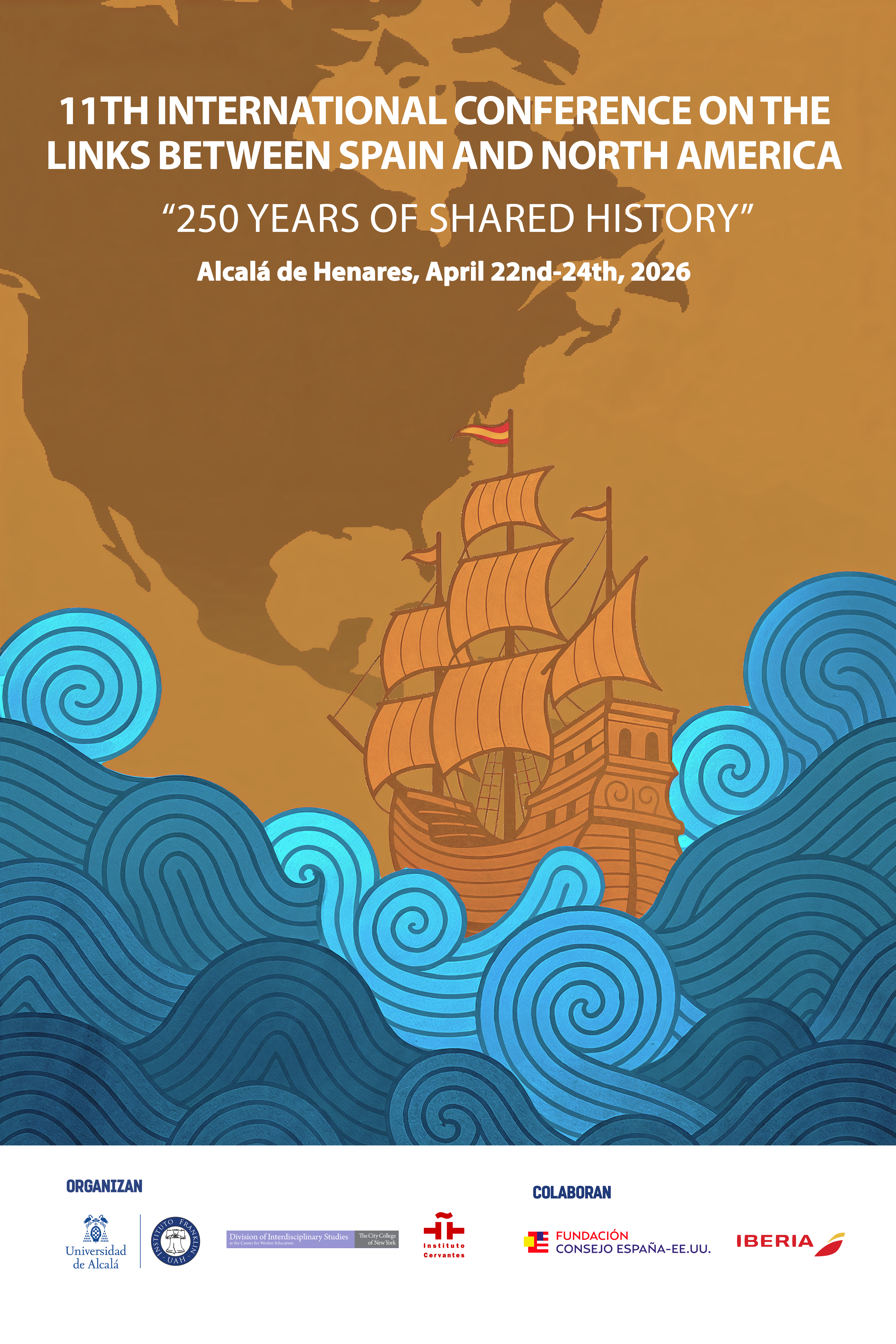

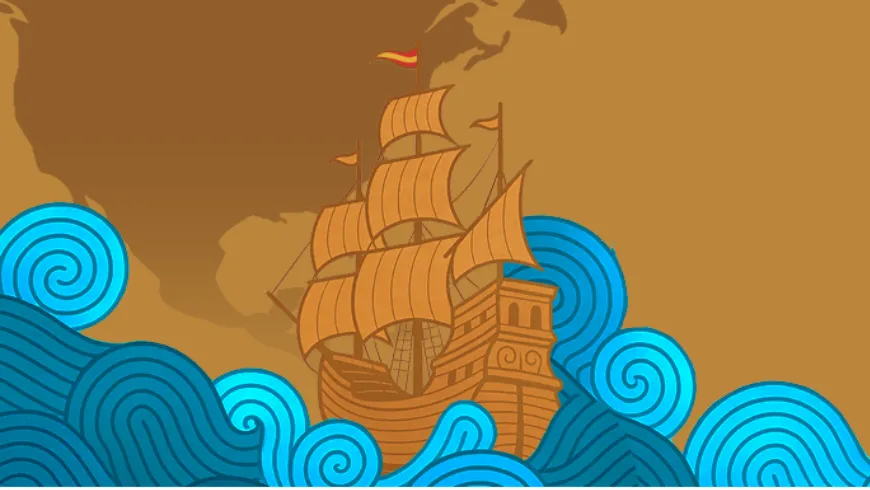
11th International Conference on the Links between Spain and North America
“250 Years of Shared History”
The year 2026 marks the 250 anniversary since the United States of America declared its independence on July 4th, 1776, marking the beginning of a new era in world history and the emergence of a nation that has exerted a decisive influence in the 19th, 20th, and 21st centuries. Often forgotten or minimized, the Spanish Crown’s contribution to the process of American independence is now receiving growing recognition on both sides of the Atlantic.
The campaigns of the then-Governor of Louisiana, Bernardo de Gálvez, in the south; the strategic support of the Spanish fleet—in collaboration with the French—to blockade the British Royal Navy; the opening of fronts in the Mediterranean and Gibraltar to disperse British forces; and the defense of St. Louis by Fernando de Leyva to prevent British control of the Mississippi River are key examples of Spanish involvement in the birth of the North American nation. These and other episodes deserve greater academic and public attention, especially in the current context of bilateral relations between Spain and the United States, and constitute an opportunity to bring forth Spain's contribution to the birth of the new American nation.
Within this framework, the 11th International Conference on the Links between Spain and North America will address transatlantic influences and connections from a multidisciplinary perspective—political, social, economic, and cultural—both in their historical dimensions and in their contemporary manifestations. Special attention will be paid to historical connections, with a central focus on the American War of Independence, leading up to the shared challenges facing the international community today. An Atlantic focus will be the guiding thread of the sessions, with special emphasis on the evolution of the relationship between Spain and North America.
The Instituto Franklin de la Universidad de Alcalá, the Division of Interdisciplinary Studies of the City College of New York, and the Instituto Cervantes of New York come together for the eleventh consecutive year in the organization of this conference through this call for proposals in different disciplines and areas of study with a special emphasis on interdisciplinary approaches to the links between Spain and North America.
Topics:
1. Historical Relations between Spain and North America
2. Cultural and Educational Exchanges
3. Marca España: Business Connections and Contacts between Spain and North America
4. Immigration and Migration Movements
5. Social Movements on Both Sides of the Atlantic
6. Transatlantic Relations and International Geopolitics
7. Artistic Expressions Across the Atlantic
Registration fee includes: admission to sessions and plenary conferences, conference material, welcome coffee breaks, institutional cocktail and participation or attendance certificates.
IMPORTANT: if you need an invoice or receipt, contact laura.rey@institutofranklin.net
| Reduced fee, from February 3rd until March 3rd, 2026 | Precio |
|---|---|
| General Speaker | 120 € |
| Young Researcher Speaker * | 100€ |
| Attendees | 60 € |
| Undergraduate Students** | 30 € |
| Instituto Franklin-UAH Students | 0 € |
| Normal Fee, from March 4th until April 07th, 2026 | Precio |
|---|---|
| General Speaker | 160€ |
| Young Researcher Speaker* | 120 € |
| Attendees | 80 € |
| Undergraduate Students** | 30 € |
| Instituto Franklin-UAH Students | 0 € |
*A proof of registration must be attached in the Document field.
**EA proof of registration must be attached in the Document field
IMPORTANT INFORMATION REGARDING INVOICE REQUEST:
- Invoices must be requested directly via email at laura.rey@institutofranklin.net
- Invoice requests may be submitted within 30 days following payment of the congress registration fee, after this period, invoices cannot be issued.
- Billing details cannot be modified once the invoice has been issued, so please review them carefully before submitting the request.
Cancellation Policy
Until March 4th: 80% refund
Until April 7th: 50% refund
From April 14th: no refund
- Presentations should last approximately 20 minutes, leaving time for questions or debate.
- The spaces where the panels will take place have a computer, projector, screen and WiFi connection.
- It is recommended to use a USB or flash drive for the presentations of each paper, preferably in PPT or PDF format.
- Call for Papers: October 6th, 2025
- Deadline extension for proposals: January 27th, 2026
- Deadline for proposals: December 11th, 2025
- Publication of the provisional program: February 4th, 2026
- Early registration period: February 4th – March 3rd, 2026
- Regular registration period: March 3rd – April 7th, 2026
- Publication of the final program: April 14th, 2026
- Conference date: April 22nd-24th, 2026
- Carlos Aguasaco (CCNY-CUNY)
- Esperanza Cerdá (Instituto Franklin-UAH)
- Julio Cañero (Instituto Franklin-UAH)
- Lorenzo Delgado Gómez-Escalonilla (CSIC)
- José Manuel Estévez-Saa (Universidade da Coruña)
- José Santiago Fernández Vázquez (Universidad de Alcalá)
- Jose Antonio Gurpegui (Instituto Franklin-UAH)
- Montserrat Huguet Santos (UC3M)
- Juan Carlos Mercado (CCNY-CUNY)
- Susanna Rosenbaum (CCNY-CUNY)
- Javier Valdivielso (Instituto Cervantes | Nueva York)
- Danielle Zach (CCNY-CUNY)
- Esperanza Cerdá Redondo (Instituto Franklin-UAH)
- Carlos Herrero Martínez (Instituto Franklin-UAH)
- Ana Lariño Ares (Instituto Franklin-UAH)
- Lorena de Miranda Marques (CCNY | CUNY)
- Dee Dee Mozeleski (CCNY | CUNY)
- José Luis Perales (Instituto Cervantes | Nueva York)
- Diana Ramos Milla (Instituto Franklin-UAH)
- Laura Rey Carretero (Instituto Franklin-UAH)
- Susanna Rosenbaum (CCNY-CUNY)
- Cristina Sánchez Pacios (Instituto Franklin-UAH)
- Ágatha Valladar Vacas (Instituto Franklin-UAH)
- Danielle Zach (CCNY-CUNY)
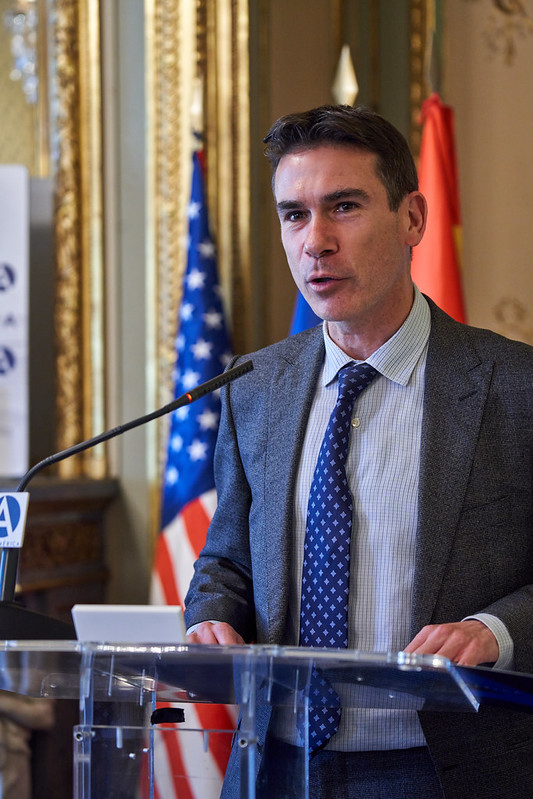
| Enrique Ojeda – Diplomat He holds a Law degree from the University of Seville. He has held various diplomatic positions at the Spanish embassies in the United Kingdom, Bolivia, and Guatemala, as well as at the Spanish Consulate General in New York. He has published the essay“Sudáfrica y el camino a la libertad: del apartheid a la democracia” (Ed. Catarata, 2021); the study “La Hermandad de San Jorge, la Compañía de Andalucía y el comercio de los ingleses con Sanlúcar y Andalucía” (Bulletin of the Royal Academy of History, Volume CCXVIII, Issue II, May–August 2021). He has also published numerous articles on current affairs, history, and literature in Spanish and Ibero-American newspapers and journals. |
|
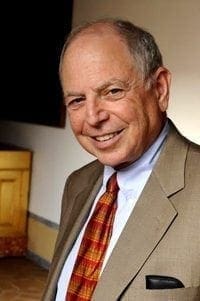
Historian, professor, and writer of American origin, born in 1943. He is known for his specialization in topics related to modern European history, particularly the expansion of Hispanic culture and Habsburg Spain. As a professor, Richard Kagan has worked at Johns Hopkins University in Baltimore (United States), the Universidad Autónoma de Madrid, the Universidad Complutense de Madrid, and several Parisian institutions such as EHESS and the Centre national de la recherche scientifique. Among his works, notable titles include Los sueños de Lucrecia and Los cronistas y la corona. |
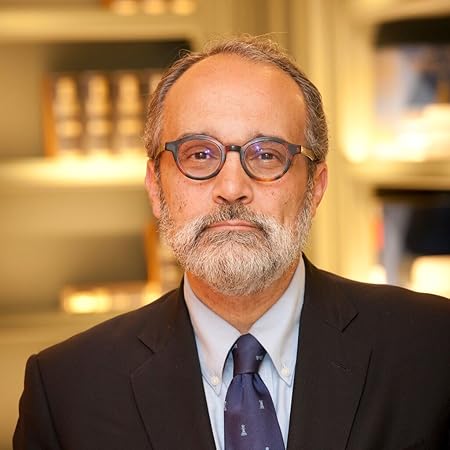 |
Gonzalo M. Quintero Saravia, PhD in History from the Complutense University of Madrid and in Law from the UNED, is a corresponding member of the Royal Academy of History and the Colombian Academy of History. He has been a fellow at the Weatherhead Center for International Affairs at Harvard University. His book Bernardo de Gálvez, published by Alianza Editorial in 2020, won the Distinguished Book Award for the best biography published in the United States in 2018, awarded by the American Society for Military History. Among his most recent publications are: with Professor Gabriel Paquette, Spain and the American Revolution: New Approaches and Perspectives; The Participation of France and Spain, en Wim Klooster (ed.), The Age of Atlantic Revolutions. Vol. 1. The Enlightenment and the British Colonies; y con la profesora Kathleen DuVal, Bernardo de Gálvez: Friend of the American Revolution, Friend of Empire, en Andrew N. O'Shaughnessy, John A. Ragosta y Marie-Jeanne Rossignol (eds.), European Friends of the American Revolution. |
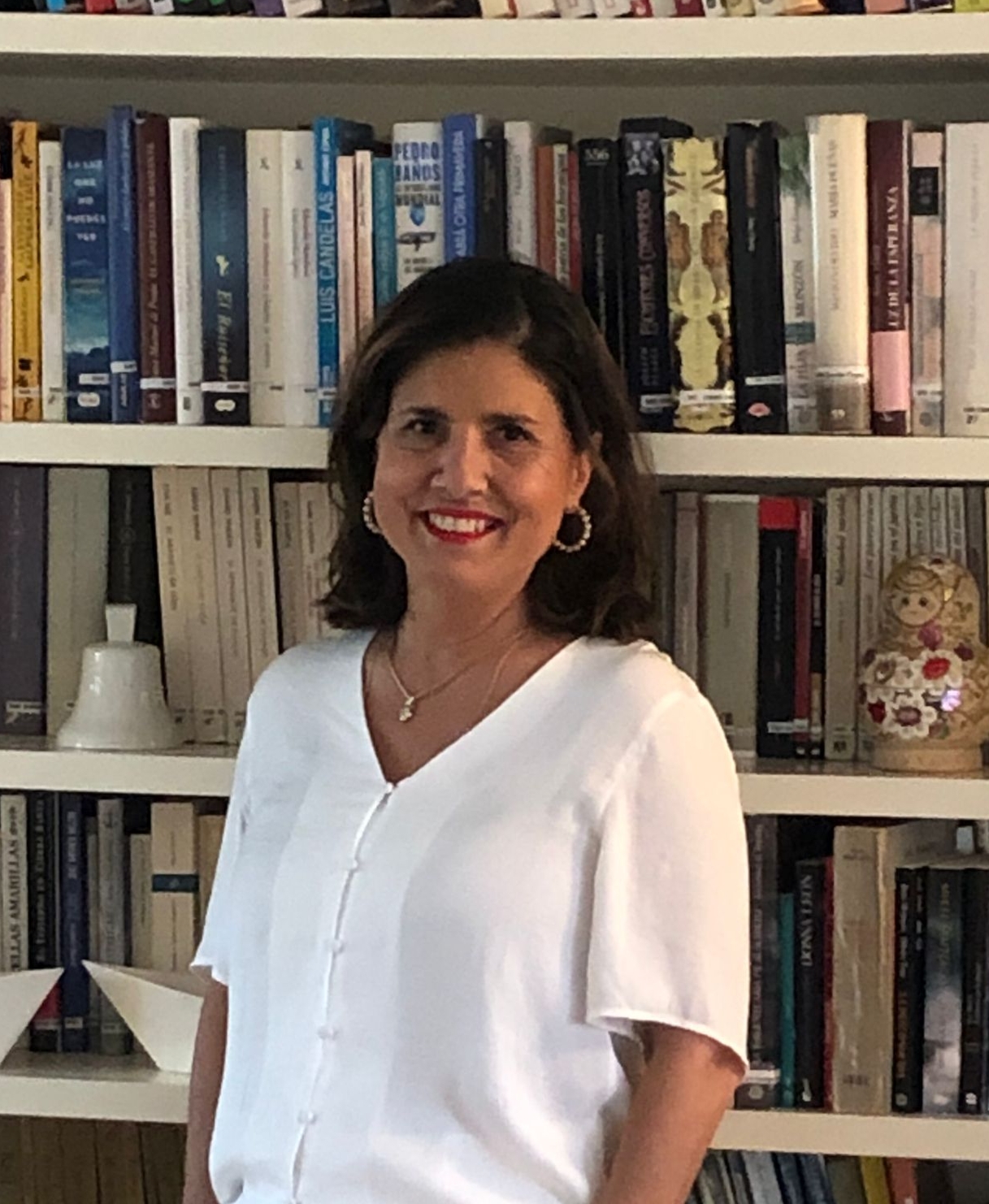 |
PhD in American History from the Complutense University of Madrid (1998), she is currently an Associate Professor of American History at Universidad CEU San Pablo (Madrid). She directs the CEU Elcano International Chair: History and Naval Culture since its creation in July 2019. Among the Chair’s activities, those dedicated to commemorating the 500th Anniversary of the First Circumnavigation of the World were especially significant. In collaboration with the Navy, she organized academic meetings between the midshipmen undertaking their training cruises and university students from the various ports connected to the history of the circumnavigation. Notable among these were universities in Rio de Janeiro, Cape Verde, Guam, and Santiago de Chile (2019–2022). From 2020 curates the collection Estudios CEU Elcano de Historia Naval. In 2021 she published her first novel l capitán de la Victoria. Relatos desde la mar de Juan Sebastián Elcano. En 2025 publicó América es nombre de mujer. Indias, criollas y mestizas en un Nuevo Mundo. She is the authour and editor of Ganado Barlovento. La Armada borbónica en un mar de alianzas cambiantes (2025) He is a member of the faculty for the course “Introduction to the Military History of Spain,” organized by the Institute of Military History and Culture. He has contributed to various works on the independence movements in Spanish America. Among the awards and honors he has received, the following are particularly noteworthy:
Date: April, 23 2026 Time: 18:45h |
| María José Rubio,
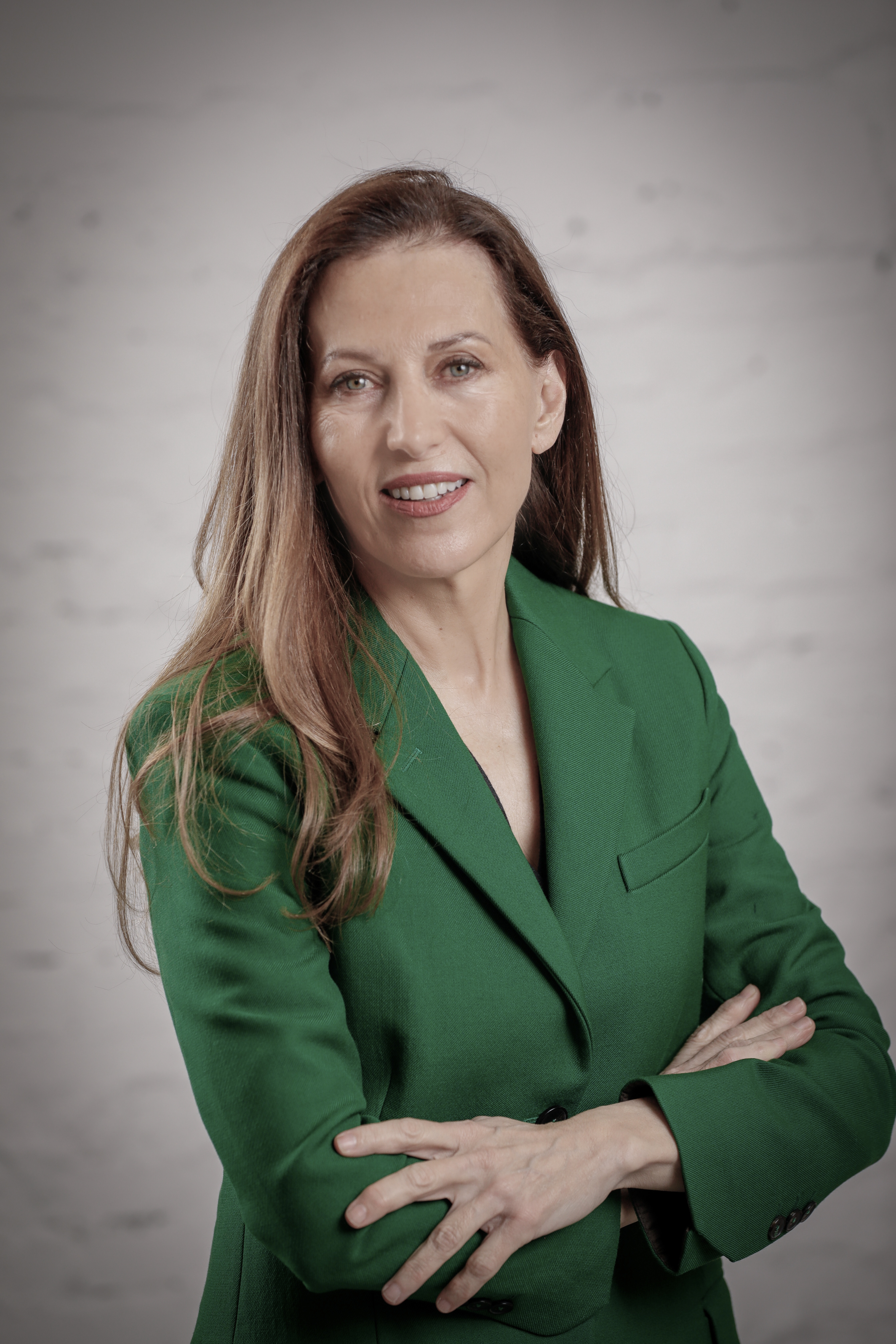
María José Rubio is a historian and writer. She is a full member of the Royal Academy of Fine Arts and Historical Sciences of Toledo. Since completing her initial training as an art historian, she has devoted herself to historical research across a wide range of projects, specializing in the history of Spain and the Spanish Monarchy. She is the recipient of the Campomanes Prize, awarded by the Royal Economic Society of Madrid for her research on the history of Madrid. She regularly contributes as a media communicator to the dissemination and popularization of history, currently as a contributor to “La Aventura del Saber” (TVE-2) and as a podcaster for National Geographic, hosting and narrating the podcast “Despierta Tu Curiosidad.” Conferencia: “Grandes mujeres en el legado español de la Independencia de los EE.UU: Las hermanas Saint-Maxent, una dinastía atlántica”. Date: April, 24th, 2026 Time: 12:45h
|
Pedro Abarca Bolea, Spain’s ambassador to Paris and Count of Aranda, despite his monarchist convictions, advised the government of Charles III to provide immediate and open aid to the English colonies that had rebelled against their mother country. That proposal was rejected by most of the ministers, who feared the repercussions of those colonies’ independence on Spain’s territories in both Americas.
The ambiguous policy orchestrated by the government failed to meet the objectives it had set for itself, and once independence was achieved—as the Count of Aranda had predicted—Spain, whose financial and military aid had been essential to the colonies’ independence, went from being a necessary ally to an uncomfortable rival, as Spain’s territories occupied a region where the new state harbored plans for expansion.
Speakers:
- Eduardo Garrigues, Spain ambassador and writer
- Alfonso Martínez de Irujo y Fitz-James Stuart, duque de Híjar y actual Conde de Aranda
- Enrique Ojeda, diplomat
- Reyes Calderón, spanish writer and economist
Date: april, 22nd, 2026
Time: 5:15 pm
Location: Universidad de Alcalá
The Spain-U.S. Council Foundation presents the premiere screening of Reminiscencias de un viaje: del origen a la actualidad del proyecto “Emigrantes invisibles": Spaniards in the U.S. (1868–1945)*, currently on tour in the United States.
The screening, led by the exhibition’s curators and the film’s creators, Luis Argeo and James D. Fernández, will offer a filmed glimpse into the research and development process of the exhibition project, as well as the stories of those who emigrated to the United States in the late 19th and early 20th centuries. The thousands of Spaniards who made up this diaspora were quiet protagonists of the economic, social, and cultural transformation of the United States. At the same time, they kept ties to their places of origin alive, weaving a network of support and affection that left a lasting mark on both sides of the Atlantic.
In the context of the 250th anniversary of U.S. independence and two and a half centuries of bilateral relations, this guided screening offers an intimate and reflective look at one of the least known—and yet most revealing—chapters of our shared history.
Speakers:
- Luis Argeo Fernandez Alava, journalist and writer
- James D. Fernández, New York University
Date: April 22nd, 2026
Time: 6:30 pm
Location: Universidad de Alcalá
With the outbreak of the so-called “Cultural Cold War,” the Soviets and Americans fine-tuned their propaganda machines to promote their respective socioeconomic and political models abroad. At the same time, they sought to curb the spread of enemy values at home. The anti-communist “Witch Hunt” led by Senator McCarthy was the epitome of that toxic ideological confrontation on American soil; not to mention that there were earlier and later periods of similar fanaticism. On the other side of the Iron Curtain, political intransigence was no less intense, including deportations to Siberia and some political assassinations.
Speakers:
- Ramón Espejo Romero, Universidad de Sevilla
- Francisco Rodríguez Jiménez, Universidad de Salamanca
Date: April, 23rd, 2026
Time: 12:45 pm
Location: Universidad de Alcalá